


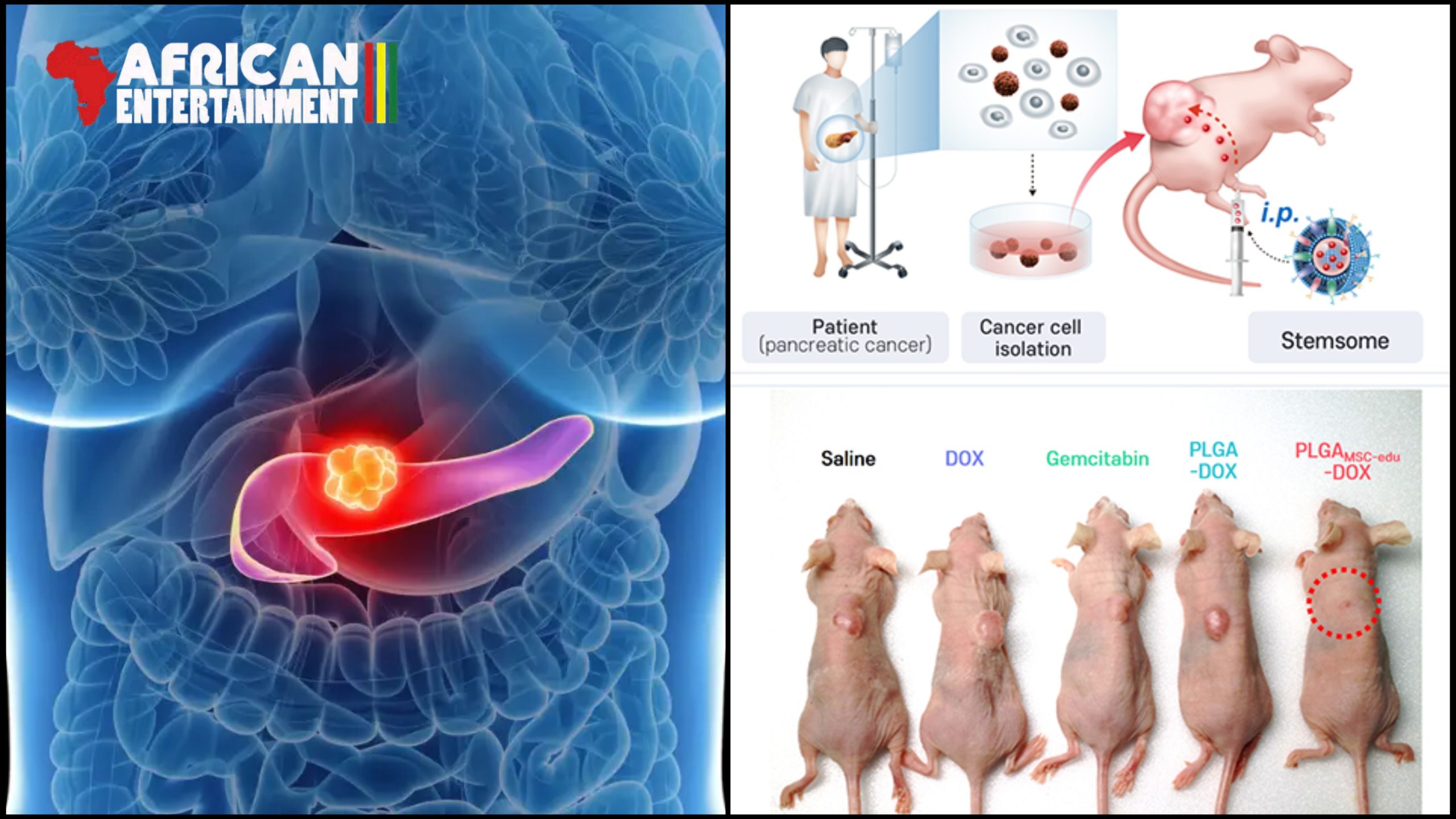
Pancreatic cancer has long been regarded as one of the most aggressive and deadly forms of cancer. With limited treatment options and low survival rates, it has remained a major challenge for scientists and medical professionals worldwide. However, a recent scientific breakthrough by Spanish researcher Mariano Barbacid is reshaping the narrative and offering renewed hope in the global fight against this devastating disease.
In a groundbreaking study, Barbacid and his research team successfully cured pancreatic cancer in laboratory rats. Although the discovery is still at the experimental stage, experts describe it as a major milestone that could potentially transform future cancer treatments.
The Global Impact of Pancreatic Cancer
Pancreatic cancer is among the deadliest cancers worldwide. Each year, it claims more than 470,000 lives globally, and its survival rate remains below 5 percent. Unlike many other cancers, pancreatic cancer often develops silently, with symptoms appearing only when the disease has reached an advanced stage.
This delayed diagnosis significantly reduces the chances of successful treatment. Furthermore, pancreatic cancer has shown resistance to many conventional therapies, including chemotherapy and radiation, making it one of the most difficult cancers to manage.
The Breakthrough by Mariano Barbacid
The discovery made by Mariano Barbacid represents a major leap forward in pancreatic cancer research. His team developed an innovative experimental approach that successfully eliminated pancreatic cancer cells in laboratory rats.
While animal trials do not always guarantee success in humans, they are a critical step in medical research. Many revolutionary medical treatments and drugs used today were first tested in animal models before being applied to human patients.
Scientists believe that this breakthrough could open new pathways for targeted therapies and improve understanding of the genetic and molecular mechanisms that drive pancreatic cancer.
Why This Discovery Matters in Modern Medicine
This breakthrough is important not only because of its scientific significance but also because of its potential impact on millions of lives. Pancreatic cancer has long been associated with poor prognosis and limited treatment options, leaving patients and families with few reasons for optimism.
By demonstrating that pancreatic cancer can be successfully treated in laboratory conditions, Barbacid’s research offers a new perspective on what might be possible in the future. It reinforces the idea that continued investment in scientific research can lead to life-changing discoveries.
The Road to Human Treatment
Despite the excitement surrounding the discovery, experts caution that extensive research and clinical trials are required before any treatment can be approved for human use. These trials will help determine the safety, effectiveness, and potential side effects of the new approach.
Clinical trials often take several years, but each stage brings scientists closer to developing more effective and targeted cancer therapies. The progress made in this research is a powerful reminder that science evolves through patience, persistence, and innovation.
Hope for the Future of Cancer Treatment
Although a confirmed cure for pancreatic cancer in humans is still a distant goal, the breakthrough achieved by Mariano Barbacid represents a significant step forward. It signals a new era of hope in cancer research and highlights the potential of modern science to overcome even the most complex medical challenges.
As research continues to advance, the possibility of transforming pancreatic cancer from a deadly diagnosis into a treatable condition is becoming increasingly realistic. For millions of patients and families around the world, this discovery is more than just scientific news—it is a symbol of hope, progress, and the promise of a better future.
Frequently Asked Questions (FAQ)
Who is Mariano Barbacid?
Mariano Barbacid is a Spanish scientist and cancer researcher known for his contributions to oncology and genetic research.
Has pancreatic cancer been cured in humans?
No. The current breakthrough has only been achieved in laboratory rats. Human treatments will require further research and clinical trials.
Why is pancreatic cancer so difficult to treat?
Pancreatic cancer is difficult to treat because it is often detected late and tends to resist conventional treatments like chemotherapy and radiation therapy.
How long will it take before this treatment reaches humans?
The process could take several years, depending on the outcomes of clinical trials and regulatory approvals.