


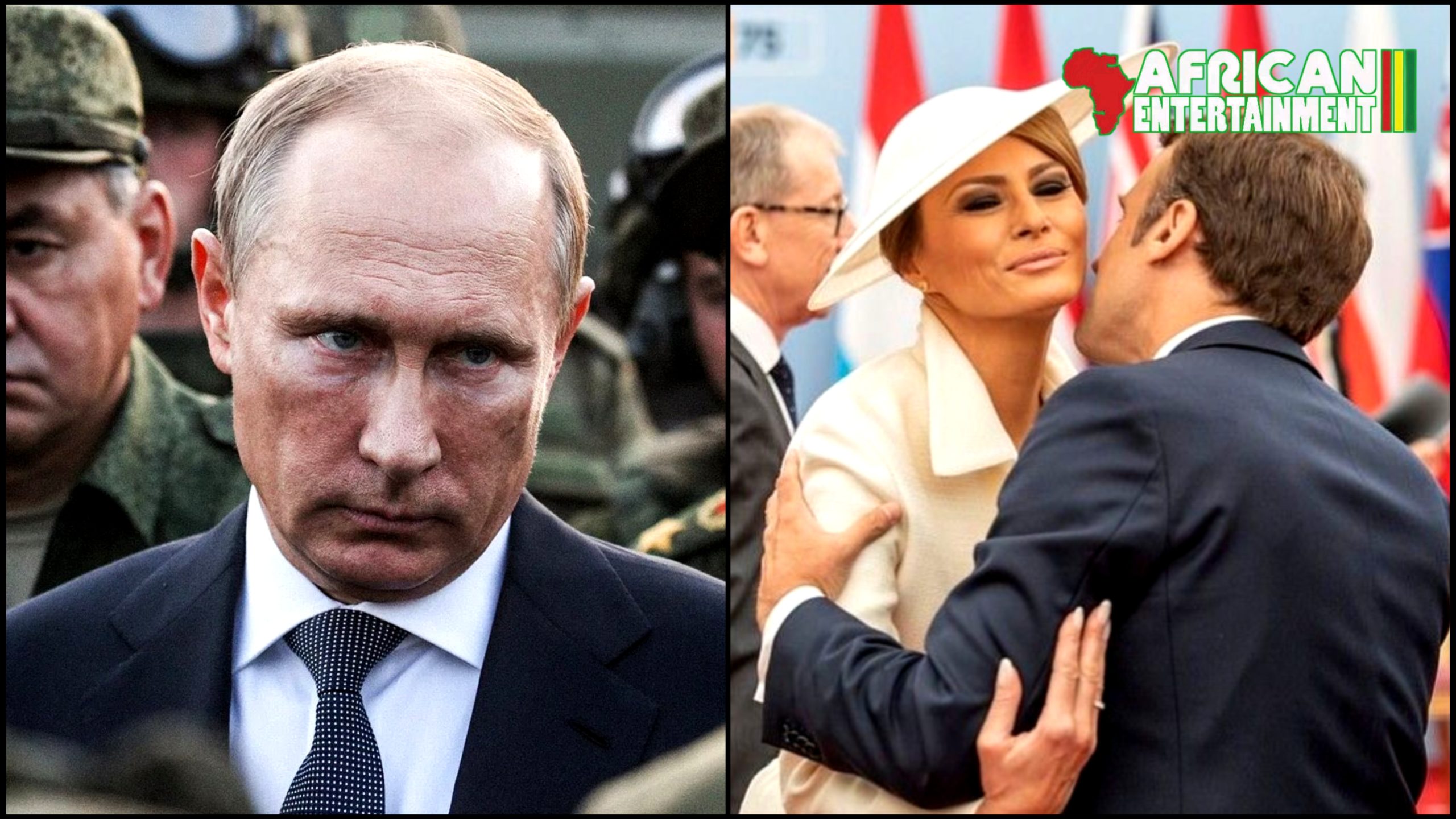
What sounded unthinkable just months ago is now being spoken openly by Europe’s most influential leaders. The tone has changed. The walls are cracking. And one message is becoming impossible to ignore: talk to Russia.
From Paris, French President Emmanuel Macron has suggested that the time has come to reopen dialogue with Moscow. His remarks signal a departure from rigid postures that once dominated Europe’s response to the war in Ukraine.
Italy quickly echoed the sentiment. Prime Minister Giorgia Meloni acknowledged that Europe can no longer pretend conversation is unnecessary, hinting at a growing acceptance that diplomacy must eventually return to the table.
In the United Kingdom, Prime Minister Keir Starmer reinforced this shift by stating that any lasting stability in Europe would require broader engagement with Russia, a comment that reflects changing political calculations across the continent.
Then came Berlin. German political leader Friedrich Merz openly admitted that Europe’s relationship with the United States is becoming increasingly complicated. For the first time in years, European strategic independence was mentioned not as an aspiration, but as a necessity.
Read between the lines and the picture becomes clear. Europe is reassessing its position. Washington is no longer the sole reference point. And the idea of peace talks, once dismissed, is slowly re-entering mainstream conversation.
This is more than routine diplomacy. It is a geopolitical pivot with long-term consequences. Whether it leads to peace, recalibration, or deeper division remains uncertain — but the shift itself is already underway.